
Key Takeaways
- User-generated content increases trust and conversion rates by providing social proof from real customers.
- Collaborating with professional content makers helps brands bridge the gap between polished ads and authentic storytelling.
- AI automation tools like BlogGenAuto can turn product data into SEO-optimized blogs in under five minutes.
- Combining human-centric content with automated SEO strategies is the most cost-effective growth lever for 2026.
In the fast-paced world of Summer 2026 ecommerce, authentic connections drive sales more than traditional ads. Many brands are now looking to hire a professional ugc creator to build trust with skeptical audiences who value real-world experiences. By integrating these authentic voices into your marketing mix, you can see a significant uplift in engagement and customer loyalty.
According to Wikipedia's research on Social Proof, people are far more likely to perform an action if they see others doing it first. This psychological trigger is the backbone of why user-generated content is so effective for online retail. This guide will explore how to combine these human-centric strategies with AI automation to maximize your store's performance.
Why User-Generated Content is Essential for Ecommerce in Summer 2026
BlogGenAuto - Homepage
Buy NowThe Power of Social Proof in Modern Retail
Modern consumers are increasingly immune to high-budget commercial production. In Summer 2026, the trend has shifted entirely toward raw, relatable content that shows a product in a real home setting. This type of social validation reduces the perceived risk of a purchase, making it a critical tool for increasing conversion rates on product pages.
Enhancing Customer Trust and Relatability
Trust is the currency of the digital age. When shoppers see content created by peers rather than the brand itself, their defensive barriers lower. This authenticity builds a community around your brand, where customers feel like they are part of a shared experience rather than just targets of a sales pitch.
Boost your store's SEO with automated product-led blogs!
Start for under $1 →How to Find the Right ugc creator for Your Brand Identity
Defining Your Target Demographic and Style
Finding a professional ugc creator starts with understanding who your customers are. If your store sells high-tech gadgets, your content needs to look different than if you sell organic skincare. Look for creators who already live the lifestyle your brand promotes to ensure the partnership feels organic and believable.
Platforms to Source High-Quality Content Creators
In Summer 2026, specialized platforms have emerged that connect e-commerce brands with vetted content makers. These marketplaces allow you to filter by niche, engagement rates, and previous work history. This streamlined approach saves hours of manual outreach and ensures you are working with individuals who understand the technical requirements of high-converting video.
Comparing UGC Marketing vs Influencer Marketing for Online Stores
Ownership and Usage Rights Differences
The primary difference between an influencer and a specialized ugc creator is the distribution. While influencers focus on posting to their own audience, these creators provide high-quality assets for your brand to use in ads, emails, and blog posts. This gives you more control over the narrative and long-term usage of the content.
| Feature | UGC Content | Influencer Marketing |
|---|---|---|
| Primary Goal | Conversion & Ad Creative | Awareness & Reach |
| Content Ownership | Full Brand Rights | Limited Usage Rights |
| Cost Structure | Per Asset Fee | Audience Reach Fee |
Automate your content strategy with AI today!
Generate Blog Posts Now →Automating Your Ecommerce Blog to Scale Content Production
Turning Product Data into SEO Gold
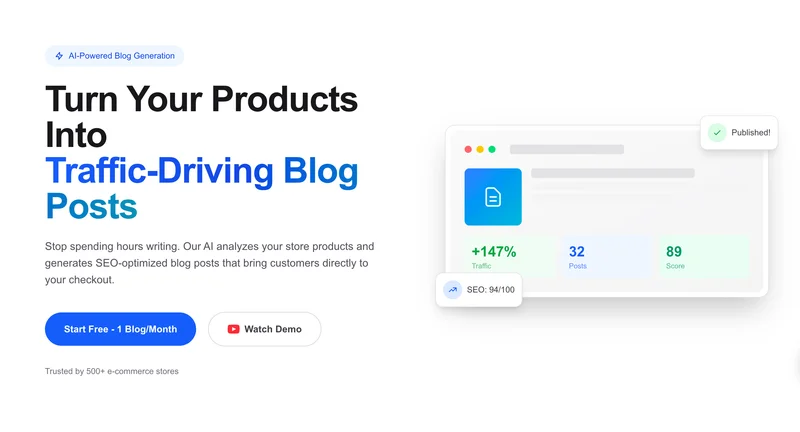
Generating content manually is a bottleneck for Summer 2026 businesses. With BlogGenAuto, you can connect your WooCommerce or Magento store and let AI analyze your inventory. The platform creates comprehensive, SEO-optimized blog posts that highlight your products naturally, driving organic traffic directly to your checkout pages.
Saving Time and Reducing Operational Costs
According to Statista data on digital marketing, e-commerce stores spend thousands of dollars monthly on freelance writers. By switching to AI automation, you can publish high-quality articles in under five minutes for less than $1, allowing you to reinvest those savings into paid media or product development.
Measuring the ROI of Content Marketing and Organic Traffic
Tracking Conversions from Blog Articles
The ultimate goal of any content strategy is revenue. Use attribution modeling to see how your automated blogs assist in the customer journey. When you combine authentic user reviews with high-ranking blog content, the synergy creates a frictionless path from Google search to final purchase.
Long-term Organic Traffic Benefits
Unlike paid ads that stop the moment you stop paying, SEO content provides compounding returns. An article written today can continue to drive visitors to your store for years to come. This makes automated content generation one of the most sustainable growth strategies available in the 2026 digital landscape.
Stop overpaying for content. Scale with BlogGenAuto.
Get Started for $1 →
Frequently Asked Questions
What is the average cost of hiring a UGC creator in 2026?
Prices vary based on experience, but most brands pay between $150 and $500 per video asset. This cost is highly efficient when compared to traditional studio productions that require sets, lighting, and specialized crews.
How does BlogGenAuto integrate with my existing store?
BlogGenAuto offers seamless integration with WooCommerce, Magento, and other major platforms. It automatically scans your product catalog to create contextually relevant blog posts that target specific keywords to boost your search rankings.
Can AI content rank as well as human-written content?
Yes, as long as it is structured correctly for SEO and provides value to the reader. BlogGenAuto is specifically designed to produce product-led content that satisfies search engine algorithms while remaining engaging for human shoppers.
How many blog posts should I publish per week for SEO?
Consistency is more important than volume. However, for most ecommerce stores, publishing 2-3 high-quality, SEO-optimized posts per week is the sweet spot for maintaining growth without overwhelming your site's structure.
Do I need to provide the products to the creators?
In most cases, yes. Sending physical products allows the creator to show genuine use and detail shots. This investment ensures the resulting content is authentic and provides the visual proof customers need to make a purchase decision.
Conclusion
As we move through Summer 2026, the intersection of human authenticity and AI efficiency has become the gold standard for ecommerce success. By leveraging a professional ugc creator, you build the trust and social proof necessary to convert modern shoppers who are tired of traditional advertising.
However, creating the assets is only half the battle. To truly dominate the search results, you must have a robust content strategy that scales. Platforms like BlogGenAuto empower store owners to maintain a high-traffic blog without the massive costs and time commitment usually associated with SEO. Combining these two approaches ensures your store remains competitive, visible, and profitable in an ever-evolving market.
About the Author

Written by BlogGen
Specialist in SEO optimization and blog content strategy. Helping e-commerce stores increase organic traffic through AI-powered content generation.